Symptoms of Liver Failure
Liver failure is a serious and potentially life-threatening condition that occurs when the liver loses its ability to function properly. Since the liver plays a vital role in detoxifying blood, producing essential proteins, and aiding digestion, its failure can affect the whole body. Unfortunately, many of its warning signs appear gradually and may be mistaken for less serious problems. Recognizing them early can save lives.
Here are the 15 key symptoms of liver failure, explained in detail.
1. Persistent Fatigue and Weakness
One of the earliest and most overlooked signs of liver failure is constant tiredness. The liver is responsible for filtering toxins from the blood and producing energy-regulating substances. When it begins to fail, toxins build up and your body cannot use energy efficiently. This leads to unrelenting fatigue, even after rest.

For example, someone with liver failure may find daily tasks like walking a few steps or preparing meals exhausting. Unlike ordinary tiredness, this fatigue doesn’t improve with sleep. Many patients describe it as a heavy, dragging weakness that limits their ability to function normally.
If you’ve been feeling persistently drained for weeks without another clear reason, it may be worth checking your liver health.
2. Yellowing of the Skin and Eyes (Jaundice)
Perhaps the most recognizable symptom of liver failure is jaundice, where the skin and whites of the eyes turn yellow. This happens because the liver can’t process bilirubin, a yellow pigment produced when red blood cells break down.
In healthy people, bilirubin is processed by the liver and excreted through bile. But when the liver fails, bilirubin builds up in the blood and deposits in tissues, causing yellowing. Jaundice is often accompanied by dark urine and pale stools.

For example, someone may notice their eyes turning yellow after friends or family point it out in photos. If jaundice suddenly appears, it is a medical emergency and requires immediate attention.
3. Abdominal Swelling (Ascites)
A failing liver cannot regulate fluid balance properly, leading to ascites—the buildup of fluid in the abdomen. This makes the belly swell, often giving it a rounded or “bloated” appearance, even if the rest of the body looks thin.

Patients often describe a feeling of tightness, discomfort, or heaviness in the abdomen. In severe cases, ascites can make it difficult to breathe or eat because the swollen stomach presses on the lungs and stomach.
Doctors often check for ascites by gently pressing on the abdomen to see if fluid shifts. If left untreated, ascites can become infected, causing a dangerous condition known as spontaneous bacterial peritonitis (SBP).
4. Swelling in the Legs and Ankles (Edema)
In addition to abdominal swelling, fluid buildup also occurs in the legs and ankles. This is known as peripheral edema. It happens because a failing liver produces fewer proteins like albumin, which normally help keep fluid inside blood vessels.

As a result, fluid leaks into surrounding tissues, especially in gravity-dependent areas like the feet and ankles. People may notice their shoes feeling tighter, or see deep marks on their skin after removing socks.
Though swelling may seem harmless, it signals serious liver dysfunction and should not be ignored.
5. Easy Bruising and Bleeding
The liver is responsible for producing clotting factors—proteins that help stop bleeding when you get injured. When the liver fails, these proteins are reduced, making you prone to easy bruising, nosebleeds, gum bleeding, or prolonged bleeding from minor cuts.

Some people may notice bruises appearing without remembering any injury. Women may experience heavier menstrual bleeding.
This can be dangerous, as even a small injury could result in significant blood loss. In advanced cases, internal bleeding in the stomach or intestines may occur, leading to black or bloody stools.
6. Nausea, Vomiting, and Loss of Appetite
As the liver fails, toxins and digestive imbalances affect the stomach and intestines, causing persistent nausea, vomiting, and reduced appetite. Many patients lose interest in food altogether, leading to malnutrition.

Sometimes vomiting may contain blood if there is internal bleeding from liver-related complications. Patients often describe food tasting unpleasant, or feeling full after only a few bites.
This symptom contributes to weight loss and muscle wasting, making overall health decline even faster.
7. Mental Confusion and Personality Changes (Hepatic Encephalopathy)
One of the most frightening complications of liver failure is hepatic encephalopathy, a condition where toxins like ammonia accumulate in the brain due to poor liver detoxification.
This causes confusion, poor concentration, irritability, memory problems, and even personality changes. In severe cases, patients may become drowsy, disoriented, or slip into a coma.

For example, a person who was once sharp and talkative may suddenly struggle to complete sentences or forget familiar things. Family members are often the first to notice these subtle changes.
This is a medical emergency that requires immediate treatment.
8. Itchy Skin (Pruritus)
Chronic liver failure often causes intense itching that doesn’t improve with scratching. This happens because bile salts accumulate under the skin when the liver cannot process bile properly.

The itching is usually worse at night and can affect sleep quality. Patients describe it as a crawling, burning, or prickling sensation, sometimes leading to bleeding from scratching too much.
This seemingly minor symptom can greatly reduce quality of life and signal worsening liver function.
9. Dark Urine and Pale Stools
Changes in bathroom habits can be a critical clue. In liver failure, urine often turns dark brown or cola-colored, while stools become pale, clay-like, or greasy.
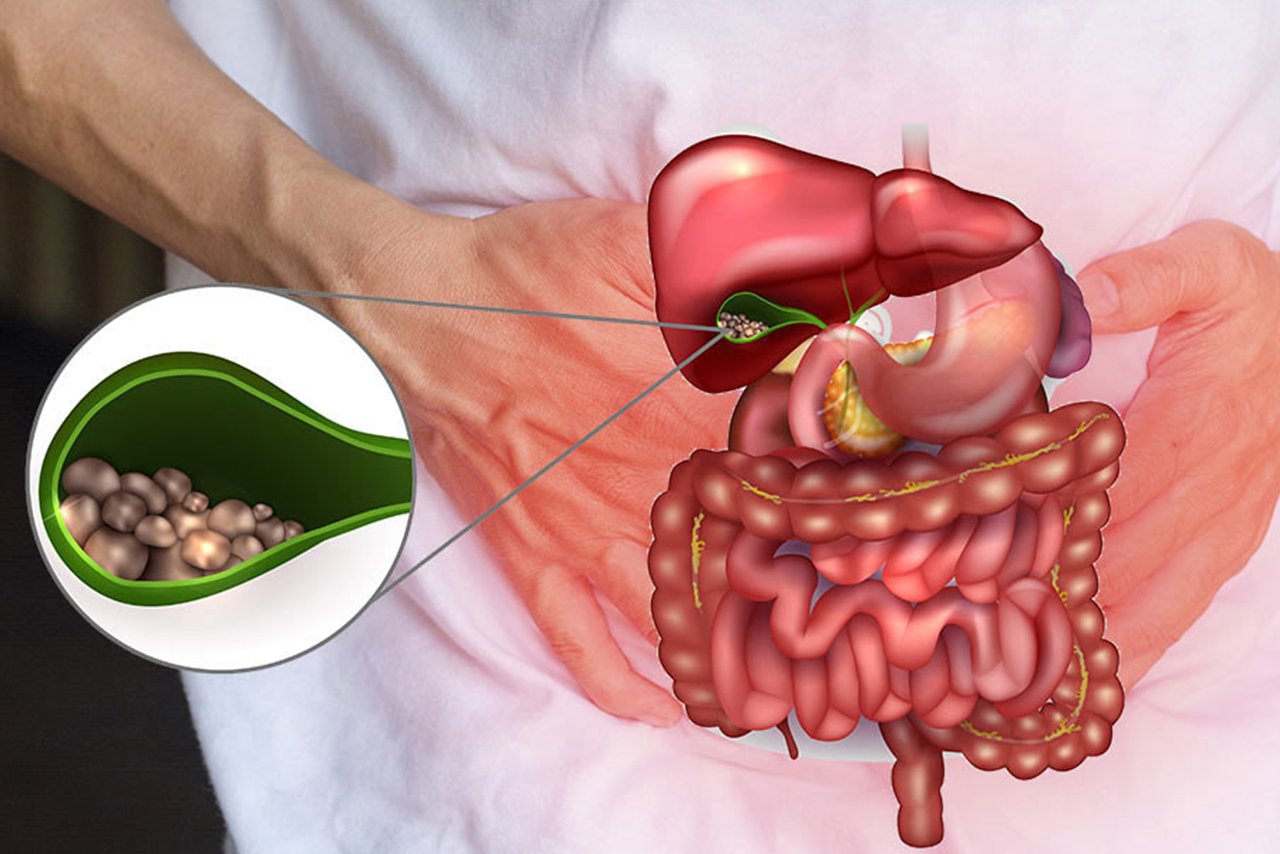
This happens because bilirubin, which normally colors stool brown, is not properly processed by the liver. Instead, it spills into urine, darkening its color.
These changes should not be ignored, especially if they occur alongside jaundice.
10. Abdominal Pain and Tenderness
As the liver enlarges or becomes inflamed during failure, patients may feel pain or tenderness in the upper right abdomen (where the liver is located).

The pain may be dull, aching, or sharp, and sometimes radiates to the back or shoulder. In advanced cases, even light pressure on the abdomen may cause discomfort.
While abdominal pain is common for many conditions, persistent pain in the right upper abdomen should always prompt a liver check.
11. Unexplained Weight Loss and Muscle Wasting
Because the failing liver cannot properly metabolize nutrients, patients often experience rapid, unexplained weight loss. However, this isn’t healthy fat loss—it’s due to muscle breakdown and malnutrition.

This condition, known as cachexia, makes the body look thin, frail, and weak. Even if the belly looks swollen from ascites, the arms and legs may appear extremely thin.
Weight loss without dieting or exercise is always a red flag and should never be ignored.
12. Bad Breath (Fetor Hepaticus)
People with liver failure often develop a distinctive musty, sweet odor on their breath, known as fetor hepaticus. This happens due to the buildup of volatile compounds in the bloodstream that escape through the lungs.

Friends or caregivers may notice this smell even when the person maintains good oral hygiene. While not painful, it is an important diagnostic clue for doctors.
13. Sleep Disturbances
Liver failure can disturb the body’s natural rhythms, leading to insomnia, daytime drowsiness, or restless sleep.

Patients often report being awake at night but sleepy during the day. This is partly due to changes in brain chemistry from hepatic encephalopathy.
Sleep problems may seem minor but, when combined with other liver symptoms, they indicate significant underlying dysfunction.
14. Frequent Infections
The liver is essential in supporting the immune system. When it fails, patients become more prone to frequent infections, such as urinary tract infections, pneumonia, or skin infections.

This happens because the liver no longer produces adequate immune factors to fight off germs. Infections also worsen fluid buildup and overall health, creating a vicious cycle.
15. Internal Bleeding and Vomiting Blood
In advanced liver failure, scarring (cirrhosis) increases pressure in veins around the stomach and esophagus. These swollen veins, called varices, can rupture and cause life-threatening bleeding.

Patients may vomit blood or notice black, tarry stools. This is an emergency requiring immediate hospital care.
Medical Tests to Diagnose Liver Failure
Recognizing the symptoms of liver failure is only the first step. To confirm the diagnosis and assess the severity, doctors recommend several medical tests. These tests help identify the exact cause of liver damage and guide treatment.
1. Liver Function Tests (LFTs)
This is usually the first step. It checks levels of enzymes (ALT, AST, ALP), bilirubin, and proteins like albumin.
-
High ALT & AST → liver injury
-
High bilirubin → jaundice and poor liver function
-
Low albumin → poor protein production
2. Blood Clotting Test (Prothrombin Time / INR)
Since the liver produces clotting proteins, a prolonged clotting time means the liver is struggling. This is a critical marker for liver failure.
3. Complete Blood Count (CBC)
This test can reveal anemia, infections, or low platelet counts—often linked to advanced liver disease.
4. Imaging Tests
-
Ultrasound: Detects swelling, fatty changes, or tumors in the liver.
-
CT Scan / MRI: Provides detailed images of liver structure and blood flow.
5. Liver Biopsy
A small tissue sample from the liver is examined under a microscope. This helps confirm conditions like cirrhosis, hepatitis, or cancer.
6. Ammonia Test
High blood ammonia levels suggest hepatic encephalopathy, where toxins are affecting the brain.
7. Viral Hepatitis Tests
Since hepatitis B and C are leading causes of liver failure, doctors often test for these infections.
8. Other Specialized Tests
-
Alpha-fetoprotein (AFP): To check for liver cancer
-
FibroScan: A non-invasive test that measures liver stiffness (scarring/fibrosis)
Summary: If liver failure is suspected, LFT + INR + Ultrasound are the most common first-line tests, and others are added based on the patient’s condition.
Conclusion
Liver failure develops gradually in many cases, but the symptoms above should never be ignored. Early recognition and medical treatment can prevent complications and improve survival chances. If you or a loved one experiences several of these symptoms, seek medical attention promptly.