15. Slow Heartbeat (Bradycardia)
While some patients experience rapid or irregular heartbeats, others may develop a slow heartbeat, known as bradycardia. This means the heart beats fewer than 60 times per minute. In heart failure, bradycardia often happens because the heart’s electrical system is damaged or because of certain medications used in treatment.
A slow heartbeat reduces blood flow to the brain and body, leading to fatigue, dizziness, and fainting. Patients may also feel cold or weak. Unlike fitness-related slow heart rates in athletes, bradycardia in heart failure is abnormal and harmful.
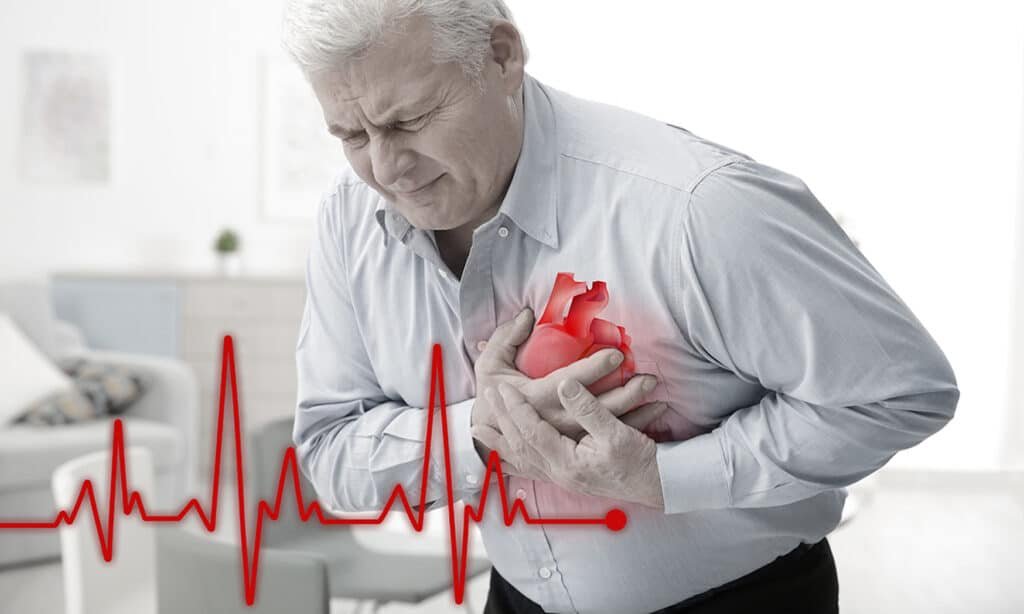
Consider Mr. Christopher, a 72-year-old retired clerk. He often felt lightheaded and complained of “the world spinning.” His family noticed he was unusually slow and weak. When doctors checked, his pulse was only 45 beats per minute. Further tests revealed heart failure with bradycardia. He was given a pacemaker, which regulated his heartbeat and improved his quality of life.
Bradycardia can be frightening because it makes patients feel constantly drained. Families should watch for signs like fainting spells, dizziness, or extreme tiredness. If the heart rate is consistently low, medical care is essential. In some cases, devices like pacemakers are life-saving.